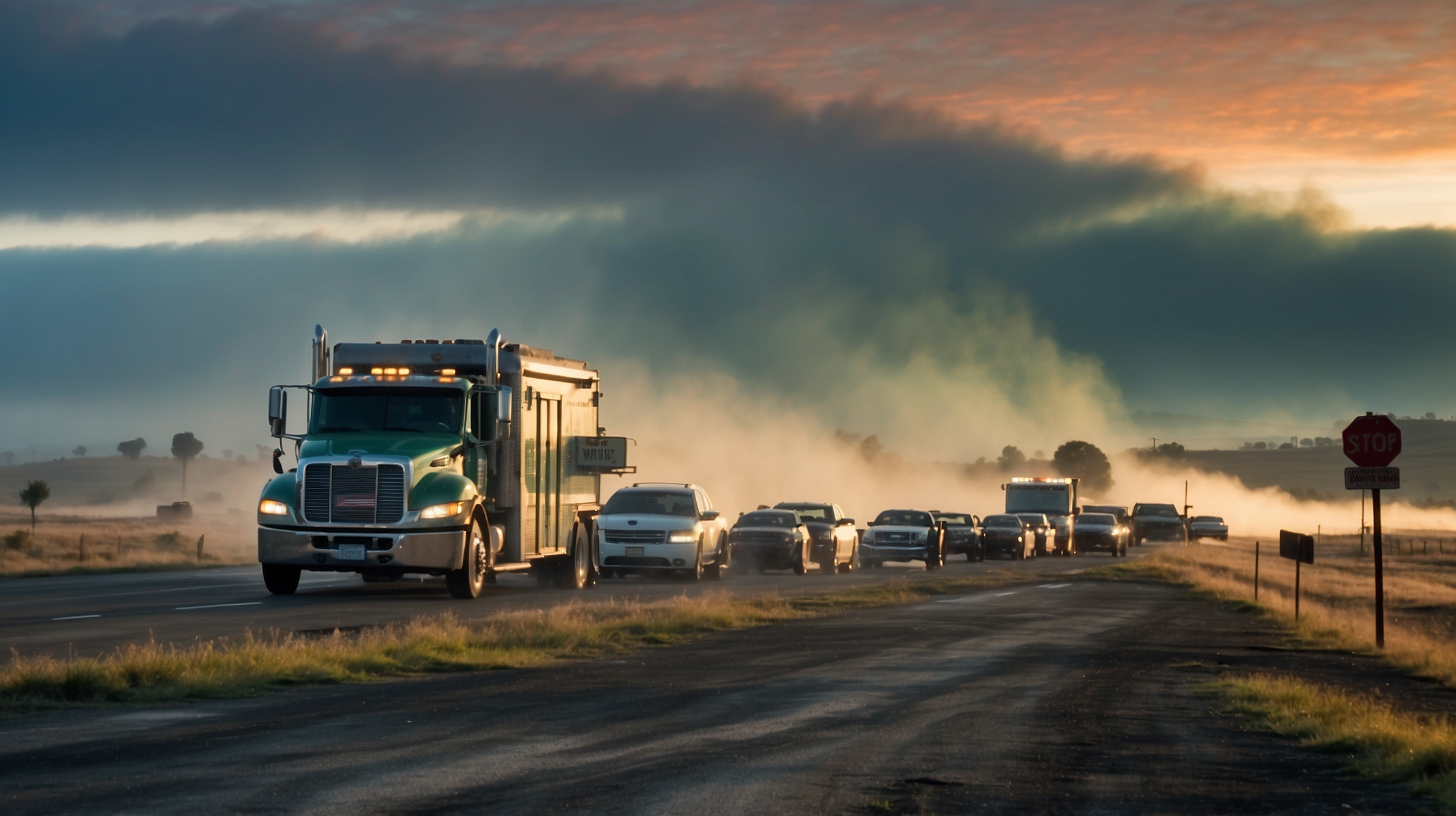
A massive 59-vehicle pileup on **California Highway 99** in Tulare County stunned the state and brought traffic in both directions to a grinding halt. Early morning fog, limited visibility, and high-speed travel are under scrutiny as investigators work to piece together what led to one of the **largest multi-vehicle collisions** in California’s recent memory. The shocking scene unfolded like something out of a disaster movie—crumpled vehicles scattered across several lanes, emergency crews scrambling to rescue trapped drivers, and the air filled with tension, fear, and confusion.
From passenger cars and big rigs to pickup trucks and delivery vehicles, those involved ranged widely in size and purpose. What began as a typical commute turned into tragedy in mere moments. A thick blanket of **dense Tule fog**, combined with early morning rush hour and potentially low driver caution, created ideal conditions for this catastrophic event. As state and local authorities dig into the details, one thing is clear: this incident is a sobering reminder of the dangers posed by natural elements and human error on California’s busy highways.
Key facts about the Highway 99 Tulare County pileup
| Detail | Information |
|---|---|
| Date of Incident | May 20, 2024 |
| Location | Highway 99, near Visalia, Tulare County, CA |
| Total Vehicles Involved | 59 |
| Main Suspected Cause | Dense fog, reduced visibility |
| Injuries Reported | At least 12, including serious injuries |
| Road Closure Duration | Over 8 hours |
| Investigating Agencies | California Highway Patrol, Caltrans, Local Emergency Services |
The event as it unfolded
The crash occurred around 7:45 AM when commuters were heading to work and commercial trucks were in full motion. California Highway Patrol (CHP) reported that **a thick wall of fog descended rapidly**, catching drivers off guard. As visibility dropped to near zero in some areas, a series of rear-end collisions quickly escalated. One vehicle swerved to avoid a crash, only to be struck by another coming from behind. In mere minutes, dozens of vehicles became entangled in a chaotic domino effect.

“It was like driving into a white wall with no warning. I slammed on my brakes, but it was too late,” described Jessica Moreno, a driver who escaped with minor injuries. Several big rigs jackknifed across multiple lanes, further exacerbating the pileup by creating barricades that others could not avoid.
“The fog was unusually thick, and the chain reaction happened in seconds. It was the most destructive highway crash I’ve seen in over two decades.”
— Officer Carl Jennings, CHP SpokespersonAlso Read Esta auditoría con IA descubre que 8 de cada 10 leyes de Sánchez son innecesarias
Understanding Tule fog and its dangers
Tule fog is a phenomenon specific to California’s Central Valley, particularly during the late fall and winter months. Characterized by its **extremely low visibility**, it is formed by cold air trapped near the ground under a layer of warm air—an effect that often happens overnight and into the early morning hours.

Because it appears suddenly and unpredictably, Tule fog has been responsible for numerous fatal accidents in the past. Drivers may not even realize they’re entering the fog bank until it’s too late, severely limiting reaction time. The National Weather Service had issued a dense fog advisory for the area, but it’s still unclear how many drivers received or heeded the warning.
“People underestimate how dangerous Tule fog is. You cannot see more than a few feet ahead, and it renders brake lights and turn signals useless.”
— Dr. Elena Powers, MeteorologistAlso Read Esta extensión de energía nuclear podría reducir tu factura de luz en cientos de euros al año
Emergency response efforts and traffic control
Local authorities and emergency teams from Tulare County, Visalia Fire Department, and the CHP coordinated a large-scale response. Dozens of ambulances, fire engines, and even medivac helicopters arrived at the scene. Victims were extricated using specialized tools as some vehicles were so mangled they had become unrecognizable.
Highway 99 was closed in both directions for over eight hours as wreckage had to be cleared and investigators documented the scene. Caltrans conducted road safety checks to ensure no structural compromises had occurred from the heavy impact. A temporary detour redirected traffic through city streets, creating congestion that lasted well into the evening.
Driver accountability and the human factor
While natural conditions like fog contributed to the crash, **driver behavior** is also under investigation. Authorities are analyzing dash cam footage, cell phone records, and black box data to determine whether excessive speed, distracted driving, or tailgating played a role in the severity of the incident.
“We know fog was a factor, but early signs suggest not all drivers adjusted their speed accordingly. Defensive driving is essential in these conditions.”
— Lt. Mark Herrera, California Highway Patrol
The CHP is continuing to remind drivers that in adverse weather, they must reduce speed, turn on low beam headlights, and increase following distance. Several drivers involved in the crash may face citations depending on the outcome of the investigation.
Lessons from similar multi-car collisions
This is not the first major fog-induced pileup in California’s Central Valley. In 2007, a similar incident on the same stretch of Highway 99 involved over 100 vehicles and resulted in multiple fatalities. These recurring tragedies highlight the persistent danger of road travel through fog-heavy corridors, especially when commuters are unprepared or reckless.
Following past incidents, transportation authorities have intermittently installed signage, flashing lights, and implemented fog detection systems, but officials are reassessing whether more **proactive safety measures** are needed moving forward.
Impact on the local community and economy
Tulare County and its surrounding regions faced significant disruptions. Businesses experienced delays due to employee absences and shipping interruptions. Hospitals were put on alert and emergency rooms were flooded with trauma cases. Parents scrambled to arrange alternate transportation for students, while agricultural shipments—critical to the region—were delayed or rerouted.
While no fatalities were reported at the time of writing, the **emotional and physical scars** for those involved are evident. Counseling services have been offered to victims and first responders alike, signifying the widespread psychological impact of the event.
Could this have been prevented?
In the aftermath, the central question arises: could this tragedy have been avoided? Experts say yes, but only if there’s a dual approach that combines **advanced warning systems** and greater public awareness. Automated fog detection tools, better driver education, and active law enforcement presence in areas prone to fog are some of the solutions proposed.
“We’re talking with transportation engineers and legislators about how we can improve safety protocols immediately. This cannot happen again.”
— Linda Vasquez, Tulare County Supervisor
Drivers urged to take caution in fog-prone zones
As California heads into another fog season, motorists are being reminded to stay vigilant. The CHP recommends adjusting driving schedules when possible, staying updated on weather advisories, and ensuring your vehicle’s lights and tires are in optimal condition. Preventing the next pileup might depend on each individual driver making more informed choices.
FAQs about the Highway 99 Tulare County pileup
How many vehicles were involved in the Tulare County crash?
A total of 59 vehicles were involved in the pileup on Highway 99 in Tulare County.
What caused the massive crash on Highway 99?
The crash was primarily caused by dense Tule fog, which significantly reduced visibility. Driver behavior may have also played a role.
Were there any fatalities in this incident?
No fatalities have been confirmed, but several serious injuries were reported.
How long was Highway 99 closed after the incident?
The highway was closed in both directions for over 8 hours to clear debris and ensure safety before reopening.
What is Tule fog and why is it dangerous?
Tule fog is a dense ground-level fog unique to California’s Central Valley. It can reduce visibility to just a few feet, creating hazardous driving conditions.
What safety tips should drivers follow during fog?
Drivers should slow down, use low beam headlights, increase following distance, and avoid sudden braking when driving in fog.
Will authorities implement new safety measures after this crash?
Officials have indicated they are reviewing existing protocols and may introduce better fog detection systems and public safety campaigns.
Has this type of crash happened before in the area?
Yes, Tulare County has experienced other major pileups caused by dense fog, including a notable one in 2007 involving over 100 vehicles.
About the Author