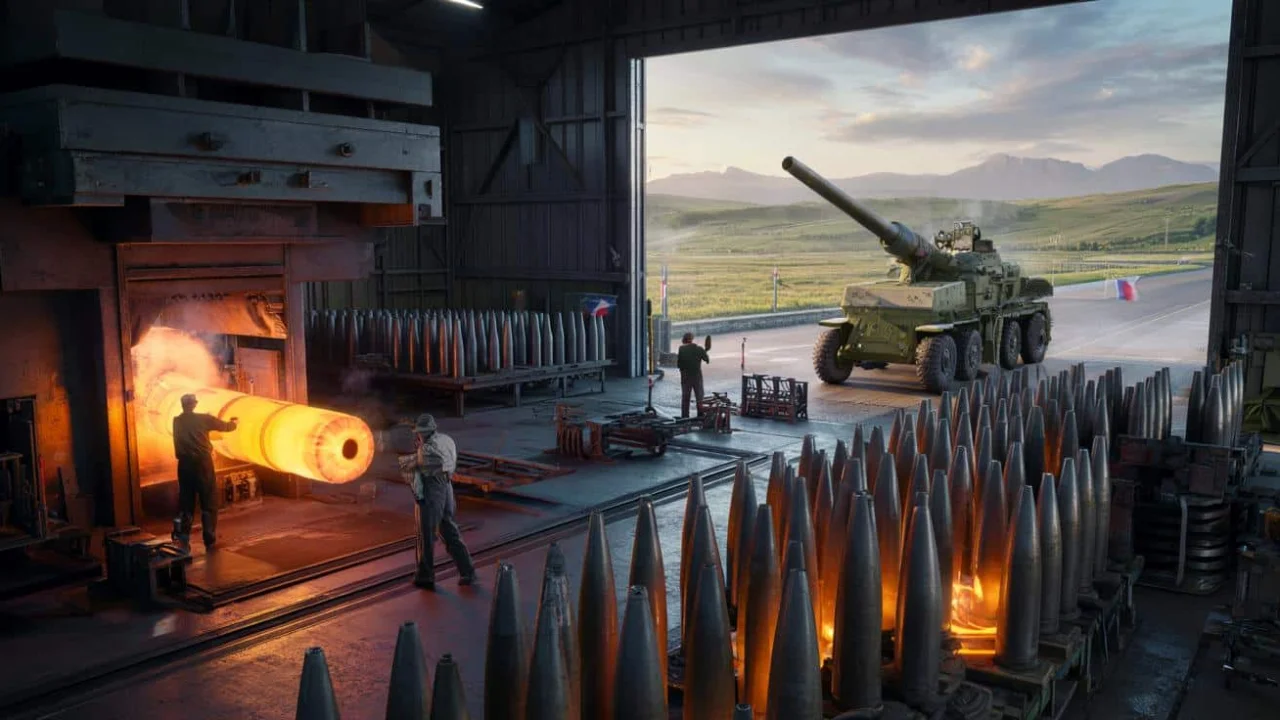
Marie Dubois still remembers the day her grandfather’s forge went quiet. It was 1995, and the Cold War’s end had dried up military contracts across France’s industrial heartland. The massive hammers that once shaped steel for artillery shells fell silent, and hundreds of workers packed their tools for the last time.
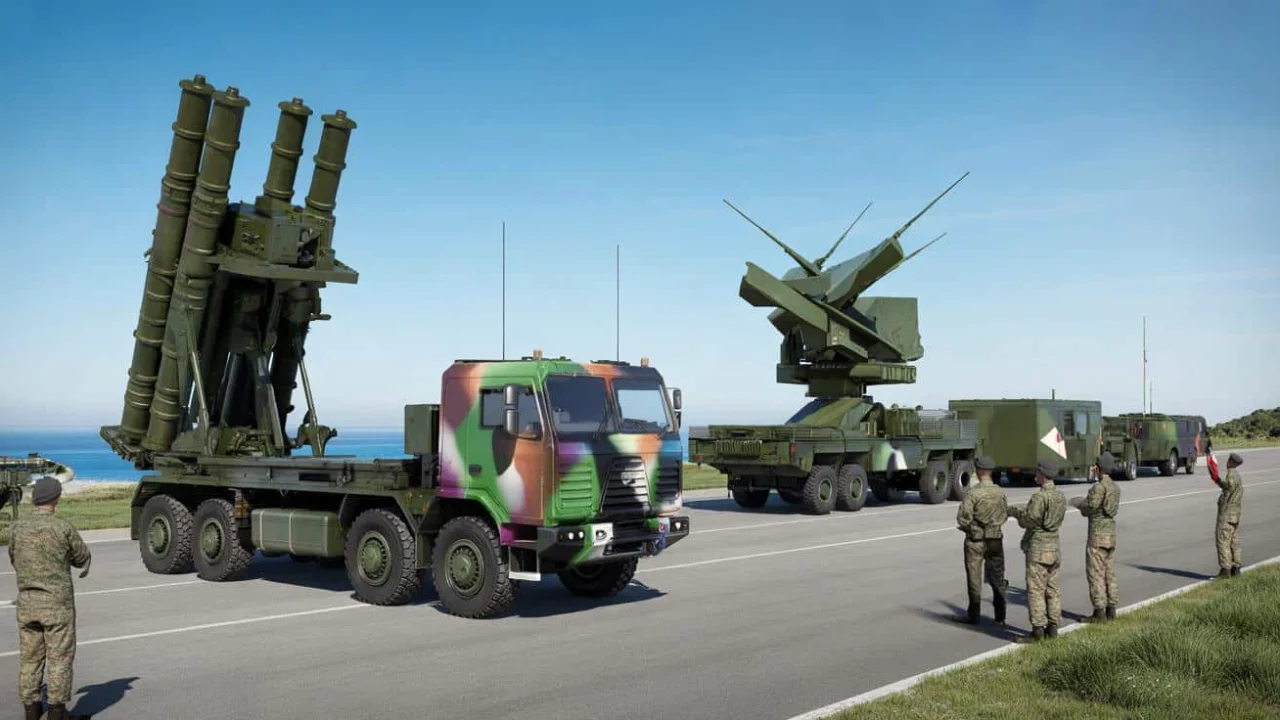
Today, Marie works as a production manager at Les Forges de Tarbes, the same facility where her grandfather once labored. But something remarkable is happening in this corner of southwest France. The forges are roaring back to life, and this time, they’re not just filling orders—they’re securing France’s military future.
The sound echoing through these halls tells a story that extends far beyond one factory. It’s the sound of a nation preparing for an uncertain world.
A Deal That Changes Everything for French Defense
France just signed a deal that will reshape how it approaches military production. KNDS France, a major land systems manufacturer, has partnered with Les Forges de Tarbes to produce up to 150,000 155 mm shells over the next several years. This isn’t just another defense contract—it’s a fundamental shift in how France thinks about military sovereignty.
“We’re moving from a peacetime mentality to a war-economy footing,” explains defense analyst Jean-Pierre Maulny. “This deal gives French industry the predictability it needs to make serious investments in capacity and workforce.”
The agreement runs through 2031 with rolling three-year contracts, replacing the old system of fragmented yearly orders that kept manufacturers guessing. For companies like Les Forges de Tarbes, this stability means they can finally plan major equipment purchases and hiring without wondering if next year’s budget will disappear.
The timing isn’t coincidental. Europe has watched Ukraine burn through artillery shells at rates that shocked military planners. Western nations discovered their industrial bases couldn’t keep pace with the demands of high-intensity warfare. France decided it wouldn’t be caught unprepared again.

Breaking Down the Numbers That Matter
The scale of this production deal reveals just how seriously France is taking military preparedness. Here’s what the agreement delivers:
- Up to 150,000 155 mm artillery shells over multiple years
- Rolling contracts through 2031 with renewal options
- Investment in new forging equipment and production lines
- Hundreds of new jobs in southwest France
- Reduced dependence on foreign ammunition suppliers
| Production Target | Timeline | Investment Focus |
|---|---|---|
| 150,000 shells | Through 2031 | Forging capacity |
| Multiple variants | Rolling 3-year contracts | Skilled workforce |
| Export potential | Renewable terms | Quality systems |
These 155 mm shells aren’t just any ammunition. They’re the backbone of modern artillery warfare, used by NATO forces and Ukrainian defenders alike. Each shell represents sophisticated engineering—from the forged steel body to the precision fusing systems that determine when and how they explode.
“The 155 mm shell has become the currency of modern warfare,” notes military historian Claire Bertrand. “Countries that can’t produce their own are essentially dependent on others for their defense.”
Les Forges de Tarbes specializes in creating the forged shell bodies—the critical component that must withstand enormous pressures and temperatures. Their craftsmen combine traditional metalworking skills with modern precision manufacturing to create shells that meet strict military specifications.
What This Means for France and Europe
This deal ripples far beyond the factory floors of southwest France. It signals a broader European awakening to the realities of industrial warfare and military sovereignty.
For France, the benefits are immediate and strategic. The country reduces its dependence on foreign suppliers while creating a reliable source of critical ammunition. French forces can count on domestically produced 155 mm shells whether they’re supporting NATO missions or defending national interests.
The economic impact hits multiple regions. Les Forges de Tarbes will hire additional skilled workers, from metallurgists to quality control specialists. Supply chains extending across France will benefit as demand grows for raw materials, components, and specialized equipment.
“This is about more than shells,” emphasizes defense economist Philippe Gros. “It’s about rebuilding the industrial ecosystem that supports military production.”
European allies are watching closely. Germany, Italy, and other NATO members face similar ammunition shortages and industrial capacity gaps. France’s approach could become a model for how European nations rebuild their defense industrial bases.
The deal also strengthens France’s position as a defense exporter. Countries seeking reliable ammunition supplies may turn to French producers rather than depending on distant suppliers or nations with questionable political stability.
Ukraine’s experience taught harsh lessons about ammunition consumption in modern warfare. Artillery units can fire hundreds of shells daily during intense operations. Stockpiles that seemed adequate for peacetime vanished within weeks of serious fighting.
France’s new production capacity ensures it won’t face similar shortages. The country can support its own forces while potentially helping allies who find themselves ammunition-starved during crises.
The psychological impact matters too. Knowing they have domestic production capability gives French military planners confidence to commit forces without worrying about ammunition logistics. That confidence translates into more credible deterrence and more flexible foreign policy options.
FAQs
What makes 155 mm shells so important in modern warfare?
These shells are the standard ammunition for NATO artillery systems and provide the bulk of firepower in conventional conflicts, as seen in Ukraine.
How long will it take to reach full production capacity?
Les Forges de Tarbes expects to ramp up gradually over 18-24 months as new equipment comes online and workers complete training.
Will this deal affect ammunition prices for other countries?
Increased production should help stabilize global prices, though France will prioritize domestic and allied needs first.
Can other European countries replicate this approach?
Yes, several nations are exploring similar long-term contracts to rebuild their defense industrial bases.
What happens if the contract gets canceled early?
The rolling three-year structure provides stability, but companies are building flexibility into their expansion plans.
How does this compare to ammunition production in other countries?
The United States and South Korea currently lead global production, but European capacity is growing rapidly.
About the Author

